বুধবার, ২৪ ডিসেম্বর ২০২৫, ০৯:১১ অপরাহ্ন


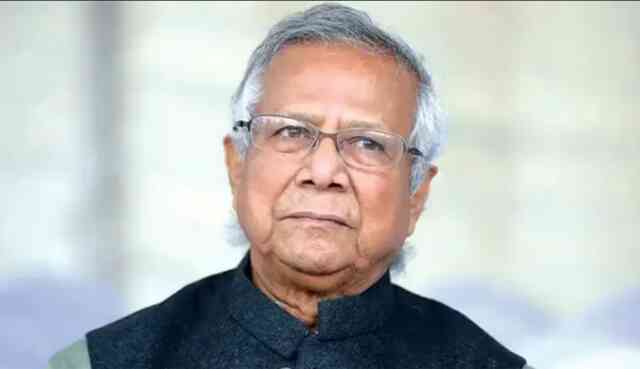
DHAKA, Dec 24, 2025 (BSS) – Chief Adviser Professor Muhammad Yunus today put strong emphasis on formulating budget in a self-reliance manner focusing quality education, rural development, youth-women empowerment, local production and health.
The Chief Adviser laid the emphasis while reviewing the revised budget, which will come into effect from February 1, during the weekly meeting of the Council of Advisers.
Prof Yunus chaired the meeting held at his office in the city’s Tejgaon area.
“Providing guidance on the revised budget, the Chief Adviser stressed the need to move away from unnecessary foreign borrowing and to undertake more projects through domestic financing to make Bangladesh more self-reliant,” said Chief Adviser’s Press Secretary Shafiqul Alam while briefing about the meeting at the Foreign Service Academy here this afternoon.
Chief Adviser’s Press Secretary Shafiqul Alam briefed about the meeting at the Foreign Service Academy. Photo: CA’s Press Wing
Chief Adviser’s Press Secretary Shafiqul Alam briefed about the meeting at the Foreign Service Academy. Photo: CA’s Press Wing
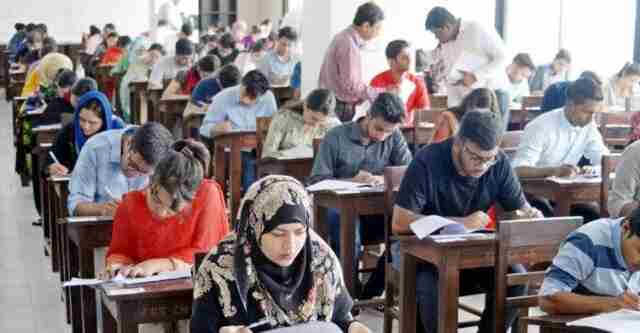
The Chief Adviser particularly emphasised on education, especially the quality of education, the press secretary said, noting that while past years focused on expanding educational establishments, the quality of education has declined rapidly, particularly during the previous authoritarian period.
He said Prof Yunus underscored that improving education quality must now receive the highest priority.
The Chief Adviser also highlighted rural development, noting that farmers have produced a record amount of food grains this year and should benefit more from the budget to improve their livelihoods.
He also called for stronger focus on youth, describing Bangladesh as a ‘mine of youth’ and stressed that budget priorities must reflect the needs of young people.
Prof Yunus further emphasised increasing budgetary focus on women empowerment, stating that women’s overall development is directly linked to national development.
In addition, he stressed the importance of boosting local production, including industrial goods, to achieve greater self-sufficiency, and highlighted the need for stronger emphasis on the health sector.