রবিবার, ২২ নভেম্বর ২০২৬, ১১:১৫ পূর্বাহ্ন


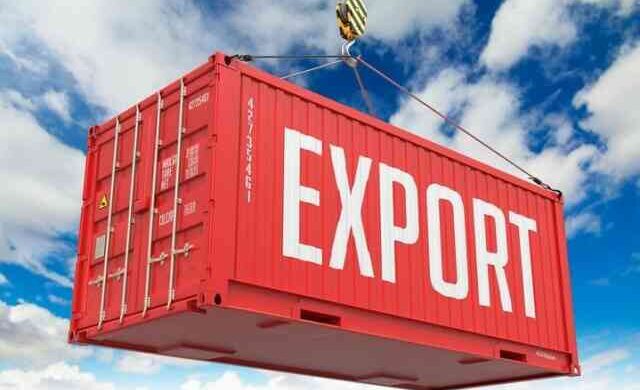
The government has revised the cash incentives withdrawal circular making a few changes, including reinstating Australia, India, Japan as new markets which entails a cash incentive of 3%, a circular issued on 11 February says.
On a 30 January circular, the three were placed in the traditional market, which only offers a 0.5% cash incentive.
According to the previous circular, the incentive withdrawal was to be calculated from 1 January to 30 June 2024, but the revised circular published says it will come into effect from 1 February.
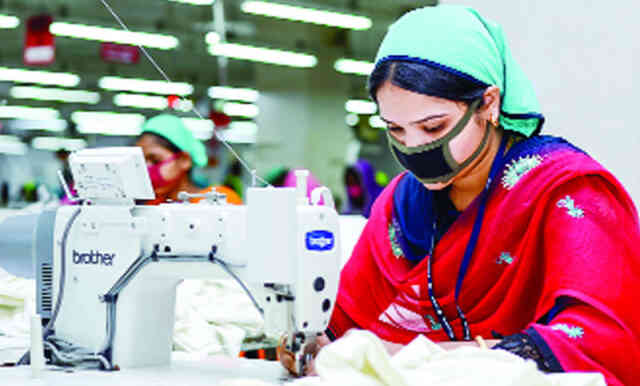
Also, a few apparels which were previously placed in the list of items not allowed to enjoy cash incentives, were again taken off the list in the new circular.
The apparels items include men’s or boys’ knitted or crocheted shirt, men’s or boys’ knitted or crocheted briefs and similar articles, knitted or crocheted t-shirts, singlets and other vests, jerseys, pullovers, cardigans and similar articles, and men’s or boys’ suits, ensembles, jackets, blazers, trousers, etc.
According to data from the BGMEA, the items under five harmonised system (HS) codes deprived of cash incentives contributed $25.95 billion in exports, or 46.71% of the total export figure for the last fiscal year. The figure is 55.22% of the total readymade garment exports.
In a strategic move designed to align with its graduation from Least Developed Country (LDC) status in 2026, Bangladesh had unveiled a plan to cut back on incentives for all export items in a circular published 30 January.
Finance ministry data show, a substantial 65% of these cash incentives, amounting to nearly Tk5,000 crore, primarily benefit the garments and textiles industry.
The original cash withdrawal incentive was met with a lot of discussion.
Faruque Hassan, president of the Bangladesh Garment Manufacturers and Exporters Association (BGMEA), said, in regards to the category of new markets, he said the names of India, Australia and Japan were omitted.
“We developed these markets with great difficulty. Such decisions have created a huge risk for our industry.”
Fazlee Shamim Ehsan, vice-president of Bangladesh Knitwear Manufacturers and Exporters Association, said, “On one hand the government is emphasising value-addition to us. On the other hand, it is withdrawing cash incentives for value-added products. This is not acceptable.”
“Such complicated conditions would mean the knitwear sector – which makes up the lion’s share of apparel export earnings – would not get any cash incentive. As a result, it would no longer be globally competitive. Most international orders would go to neighbouring countries,” he said.
Meanwhile, analysts viewed this decision positively, asserting that these incentives given from taxpayers’ money primarily serve the interests of Western buyers and their consumers.
Sadiq Ahmed, vice chairman of the Policy Research Institute of Bangladesh, noted that discussions about the gradual elimination of export incentives have been ongoing for years, aligning with the WTO’s LDC graduation policies.
“Exporters currently benefit significantly from favourable exchange rates, making cash incentives unnecessary at this point,” said Ahmed, also a former top official of the World Bank.
Professor Mustafizur Rahman, a distinguished fellow at the Centre for Policy Dialogue (CPD), has expressed support for the government’s decision to phase out export incentives.