শনিবার, ২১ নভেম্বর ২০২৬, ১০:১৭ অপরাহ্ন


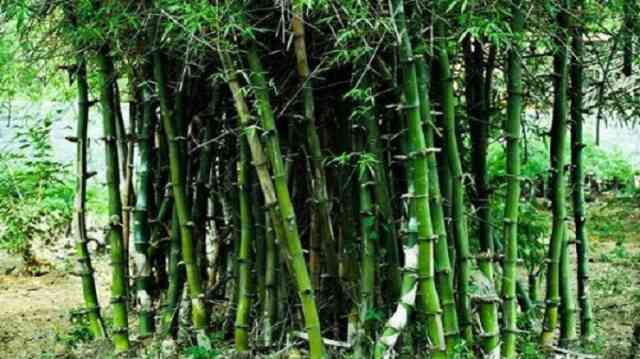
Bangladesh Forest Research Institute (BFRI) has registered three new varieties of bamboo, namely BFRI bamboo BB1, BFRI bamboo BN1, and BFRI bamboo BS1.
Besides, the varieties have been recommended for cultivation across the country as inbred bamboo.
The registration of these bamboo varieties on 7 August is a historic achievement for the research institute, marking the first major innovation event in its history.
With the addition of these three varieties, the total count of native bamboo species in Bangladesh has now reached 40.
The comprehensive details about the identifying features and characteristics of the new bamboo species have been provided in the registration certificate, signed by National Seed Board Secretary and Director General of the Seed Division under the Ministry of Agriculture Abu Zubair Hossain Bablu and chief botanist Dr Md Aktar Hossain Khan.
According to it, the BFRI bamboo variety BB1 exhibits an average culm height of 17.74 meters and a diameter of 6.80 centimetres. Notably, a three-year-old clump of this bamboo variety yields 30.40 culms. Further highlighting its robustness, the seedling survival rate in field conditions reaches an impressive 100%. In addition, these bamboo seedlings display a remarkable resistance to diseases. The anticipated lifespan of this variety spans approximately 4 to 5 years, with a promising yield potential of 6800 culms per hectare.
The average culm height of the BN1 variety stands at 19.42 metres, accompanied by a diameter of 6.30 centimetres. The growth performance is noteworthy, as a three-year-old cluster of this bamboo produces 51.4 culms. Similar to its counterpart, the BN1 variety showcases a full seedling survival rate when subjected to field conditions. Disease resistance is another advantageous trait of these bamboo seedlings. The projected lifespan of the BN1 variety falls within the range of 4 to 5 years, presenting an impressive yield potential of 11600 culms per hectare.
The BFRI bamboo variety BS1 boasts an average culm height measuring 22.39 metre and a diameter of 6.23 centimetres. In a span of three years, a clump of this bamboo variety yields 31 culms. Just like the other two varieties, the seedling survival rate under field-level conditions is a robust 100%, coupled with the advantageous trait of disease resistance in the bamboo seedlings. The expected duration of this variety’s life falls within the range of 4 to 5 years, while its yield potential demonstrates promise at 9412 culms per hectare.
The Forest Research Institute’s advisory committee finalised the registration on 16 August 2022 after a rigorous evaluation process.
Prior to this, on 14 August, an expert committee from the Ministry of Environment, Forest, and Climate Change meticulously examined the research results and recommended the registration of these innovative bamboo varieties.
The journey to developing these varieties began in 1991 when the Forest Research Institute established a tissue culture lab.
Over the years, researchers developed three new bamboo varieties while producing Borak, Makla and Karjoba bamboo seedlings using tissue culture.
Researchers at the Forest Research Institute’s Silviculture-Genetics Division lab completed the tissue culture protocol of Borak bamboo in 2002. Later they completed the tissue culture protocols for Makla bamboo in 2004 and for Karjoba bamboo in 2005.
They observed that the morphological characteristics of these new bamboo seedlings varied from the original species.
In 2005 researchers started testing the new varieties at the field level in Pabna, Rajshahi University, Jahangirnagar University, Chittagong University’s Institute of Forestry and Environmental Sciences, and Bandarban.
Following the success in growing the bamboo varieties in different parts of the country, they advised the authorities to officially register them.
The BFRI bamboo varieties have been named after their respective parent bamboo species – BB1 was developed from Borak bamboo (Bambusa Balcooa), BN1 from Makla bamboo (Bambusa Nutans) and BS1 from Karjoba bamboo (Bambusa Salarkhanii).