সোমবার, ১৬ নভেম্বর ২০২৬, ০১:৫১ পূর্বাহ্ন



DHAKA, Nov 15, 2026 (BSS) – A Single Point Mooring (SPM) or floating jetty has been constructed in the sea for the swift unloading and transportation of imported fuel oil, with commercial operations expected to commence in the first week of February, 2027.
Once operational, fuel from large vessels (mother vessels) will be unloaded directly into the Maheshkhali storage facility through a subsea pipeline.
From there, crude oil will be supplied to Eastern Refinery PLC (ERPLC), while diesel will be transported to relevant installations, including the Jamuna Oil Company depot.
Bangladesh Petroleum Corporation (BPC) expects the operating company to complete the deployment of necessary manpower and equipment by January 2027. Following final preparations, commercial operations are scheduled to begin in the first week of February.
The launch of the SPM will significantly reduce unloading times, transportation costs, and system losses, saving the corporation approximately Taka 800 crore annually.
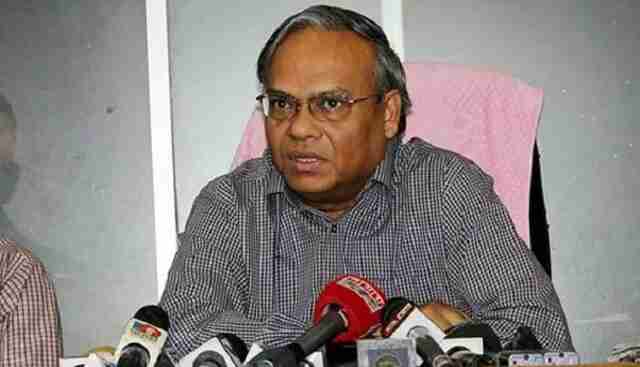
BPC Chairman Dr Md Rafiqul Islam said, “BPC hopes to launch the SPM in early February next year. Necessary preparations are underway to achieve this target.”
He noted that imported fuel currently has to be unloaded from large ships in the deep sea using lighter vessels, a process that incurs high transportation costs and takes considerable time. “Once the SPM is utilized at full capacity, it will eliminate the need for lighter vessels, drastically cut unloading time and transport costs, and prevent system losses-resulting in annual savings of around Taka 800 crore,” he added.
Earlier, on November 5, BPC signed a five-year contract worth US$128 million with Indonesia’s state-owned PT Pertamina Trans Kontinental for the operation and maintenance of the SPM at BPC’s liaison office in Dhaka.
Direct pipeline transfer from Mother Vessels:
Currently, large fuel-carrying ships, known as mother vessels, cannot dock directly at the ERPLC jetty due to channel and draft limitations at Chattogram Port.
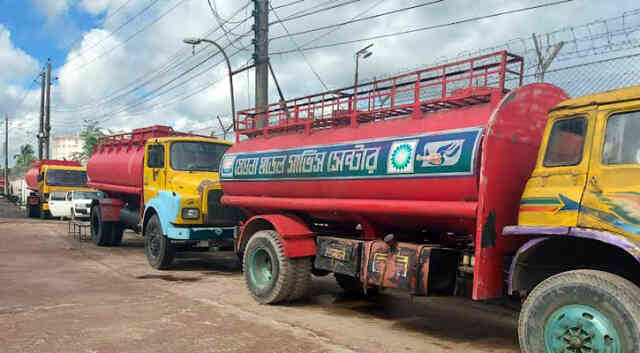
Consequently, these vessels anchor in the deep sea at the outer anchorage of Chattogram Port or near Kutubdia Island in the Bay of Bengal. Fuel is then transferred to smaller lighter tankers, which ferry it to the ERPLC jetty or storage tanks-a process taking 11 to 12 days.
The SPM will transform this system. Oil from mother vessels will be pumped directly through the floating mooring and subsea pipeline to the Maheshkhali storage facility. From there, crude oil will flow via pipeline to ERPLC in Chattogram’s Patenga, while diesel will be sent to the Jamuna Oil Company depot and other designated facilities.
BPC officials said the SPM will slash the 11-to-12-day unloading timeframe down to just 48 to 72 hours. This will reduce vessel turnaround times, curb reliance on lighter tankers, and minimize transportation expenses and system losses.
Two separate pipelines with 4.5 Million Tonne capacity:
According to BPC, the ‘Single Point Mooring with Double Pipeline’ project was implemented at a cost of over Taka 8,000 crore to modernize the country’s fuel import, unloading, and transport infrastructure. Work began in 2018 under a Government-to-Government (G2G) agreement between Bangladesh and China.
Implemented by ERPLC on behalf of BPC, the construction and commissioning concluded in March 2024.
Under the project, a floating mooring buoy was installed in the deep Bay of Bengal to west of Maheshkhali. Two parallel pipelines, each 110 kilometers long (totaling 220 kilometers across subsea and onshore routes), have been laid from Maheshkhali to Patenga. One pipeline will carry crude oil and the other refined diesel.
Each pipeline has a pumping capacity of 900 cubic meters per hour. The crude oil pipeline has an annual design capacity of 4.5 million metric tonnes, while the second pipeline will supply diesel from the Maheshkhali storage facility to designated depots.
A Pumping Station and Tank Farm (PSTF) has also been built in Maheshkhali, featuring six large storage tanks and supporting infrastructure to facilitate the unloading, storage, and distribution of imported fuel.
200,000-Tonne storage facility in Maheshkhali:
The SPM project includes storage facilities in Maheshkhali with a total capacity of 200,000 metric tonnes-125,000 metric tonnes for crude oil and 75,000 metric tonnes for diesel.
Unloaded crude oil will first be stored in Maheshkhali before being pumped to ERPLC in Patenga, while diesel will be routed to Jamuna Oil Company and other depots. Officials noted that there are future plans to expand fuel supply through pipeline networks up to Fatullah and Narayanganj.
Security and maintenance:
To ensure the external security of the offshore infrastructure, BPC has formally written to the Bangladesh Coast Guard, Chattogram Port Authority, and the Bangladesh Navy.
Under the agreement, the operator will manage and maintain the pipelines, buoy, and associated facilities, and undertake necessary repairs in the event of operational damage. BPC stated that the project was engineered to withstand natural disasters, tidal fluctuations, and adverse marine conditions, with strict emphasis on regular maintenance and security.
During the five-year contract, PT Pertamina will also train BPC officials and staff to operate the facility so that BPC can independently take over operations once the tenure expires.
ERPLC-2 crucial for full capacity utilization:
While the SPM’s crude oil pipeline has an annual capacity of 4.5 million metric tonnes, ERPLC’s existing single unit can currently refine only about 1.5 million metric tonnes per year. Consequently, officials acknowledged that the pipeline cannot be utilized to its full potential immediately.
Implementing the second unit of Eastern Refinery (ERPLC-2) is vital to maximize this capacity. Once operational, refining capacity will expand, allowing the SPM to transport and process higher volumes of crude.
BPC Chairman Dr Md Rafiqul Islam noted that the deadline to commission ERPLC-2 is 2030. “Until then, we are exploring alternative ways to utilize the SPM so it does not remain underutilized. Feasibility studies and assessments are currently underway to ensure more effective use of the installation,” he said.
BPC remains optimistic that the SPM will significantly streamline fuel imports, cut dependence on lighterage, and reduce transport costs, though unlocking its full potential hinges on the timely launch of ERPLC-2 and optimal operational planning.