সোমবার, ১৬ নভেম্বর ২০২৬, ০১:৫১ পূর্বাহ্ন



In the context of the current complex economic situation, the three main challenges for the Bangladesh economy are the unabated inflation, rising debt risk and the slowing economic growth, the Centre for Policy Dialogue (CPD) said today (5 May).
In a presentation, Debapriya Bhattacharya, distinguished fellow of CPD, outlined the main causes of each of the challenges.
For inflation, which is above 9% for the 13th consecutive month, he highlighted a number of factors. These included monetary expansions in terms of high growth of credit, sharp depreciation of the taka against the dollar, borrowing from the central bank to finance the budget deficit, irregularities within the banking sector, hiked cost of production due to adjusted electricity and fuel prices and non-competitive behaviour.
He also identified market manipulations by vested interests groups as a key factor behind the unabating inflation.
For the “snowballing” debt risk, Bhattaharya, also the convener of the Citizen’s Platform for SDGs, Bangladesh, identified the major causes to be persistent low revenue generation (around 9% of GDP), sharp taka depreciation resulting in higher debt servicing liability burden and inflation capitalisation.
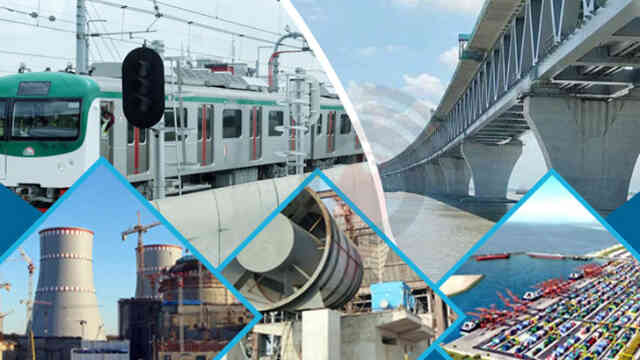
Project time and cost overruns were also risking debt repayment beginning earlier and rising cost of borrowing, alongside underutilised loans, were also identified as factors.
In terms of the economic growth slowdown, the economist first pointed out the contractionary monetary policy.
Aside from this, disruption in power and energy supply, import restrictions, restrained public expenditure, slowing manufacturing sector growth, dwindling export earnings and fall in import payments were also identified.
The report also highlighted that there were a number of transitional challenges – LDC graduation, SDGs delivery, 8FYP completion and geo-strategic issues.
In his concluding remarks, Bhattacharya asked the government to “policy adjustments and reforms from influences of the oligarchs and maintain zero tolerance against corruption and illicit financial outflow.”
He also asked to “prioritise domestic resource mobilisation to expand fiscal space by curbing tax evasion and ensure value for public money in taking new investment projects as well as implementing the existing ones.”