রবিবার, ০৪ অক্টোবর ২০২৬, ১২:৫৭ অপরাহ্ন


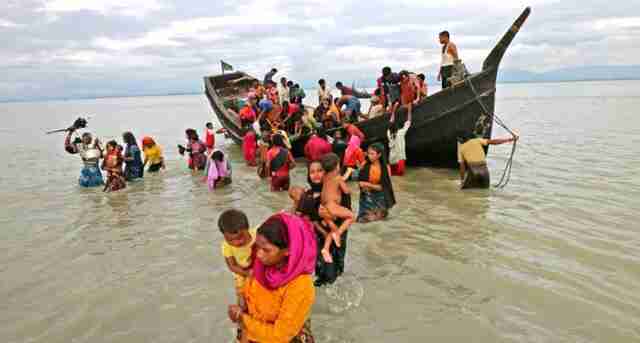
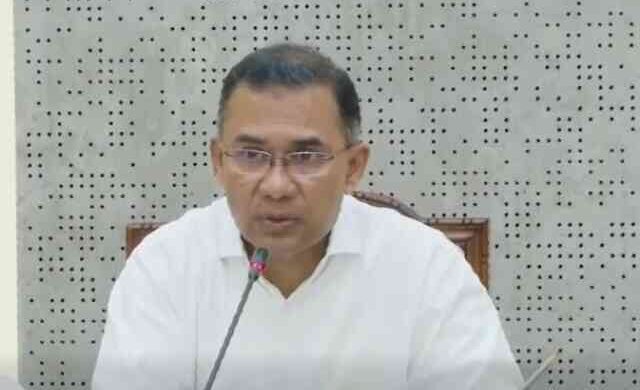
DHAKA, Sept 10, 2026 (BSS) – Bangladesh will use its position at the United Nations to bring the protracted Rohingya crisis back to the centre of global diplomatic discourse, State Minister for Foreign Affairs Humaiun Kobir said here today.
“We will utilize our position at the UN General Assembly (UNGA) to reinforce the importance of this crisis on the multilateral global stage and at the top forums like the UN,” he told journalists.
Kobir was talking to reporters after attending the international conference titled “Protracted Rohingya Crisis: The Search for a Comprehensive Approach” at the Foreign Service Academy in the capital.
The state minister said Dhaka remains optimistic about resolving the crisis through diplomatic channels despite its gravity and complexity, and would intensify engagement at both bilateral and multilateral levels.
He said Bangladesh would work collectively with its international partners to keep the Rohingya issue in focus, sustain financial assistance and find a peaceful and sustainable solution that would enable the forcibly displaced Rohingyas to return to Rakhine State safely and with dignity.
“We will work collectively through both bilateral and multilateral tracks to ensure the phased repatriation of the Rohingyas to their homeland and achieve a permanent resolution,” Kobir said.
The state minister said Bangladesh would engage major partners having interests and influence in Myanmar, including China, alongside ASEAN member states, the United States, Saudi Arabia, UN agencies and other multilateral institutions.
He said several of these partners have contributed at different times to financing humanitarian operations and sustaining the Rohingya camps in Bangladesh.
Kobir, however, said no rigid timeframe could be set for resolving such a complex and longstanding crisis, although diplomatic efforts need to move rapidly.
“One cannot abruptly set a rigid timeframe for such complex matters. Patience is required, though diplomatic efforts must move at a rapid pace,” he said.
The state minister said the government under the leadership of Prime Minister Tarique Rahman considers resolving the Rohingya crisis a top priority as the issue has significant implications for Bangladesh’s national security.
“We cannot make claims that we will resolve this tomorrow, but we are optimistic about moving toward a practical and acceptable solution swiftly,” he said.
Kobir said Bangladesh had opened its borders on humanitarian grounds to save the lives of the persecuted Rohingyas despite the enormous pressure their presence has placed on the country’s limited land and resources.
He stressed that the Rohingya crisis should not be treated as Bangladesh’s responsibility alone, saying it is a global issue requiring meaningful international responsibility and burden-sharing.
“The international community cannot just offer verbal sympathy,” he said, urging international partners to step up financial assistance and actively participate in diplomatic and backchannel negotiations with Myanmar to help resolve the crisis.
The state minister warned that failure to find a sustainable solution could have consequences beyond Bangladesh, with the prolonged crisis potentially spilling over into the wider region and beyond.
He therefore called upon the international community to stand beside Bangladesh and work through both bilateral and multilateral channels to facilitate the Rohingyas’ safe, dignified and sustainable return to their homeland.