শুক্রবার, ১৮ সেপ্টেম্বর ২০২৬, ০৮:০৪ অপরাহ্ন



DHAKA, Sept 17, 2026 (BSS) – No readymade garment (RMG) factory has been closed, so far, due to the recent gas situation, Bangladesh Garment Manufacturers and Exporters Association (BGMEA) President Mahmud Hasan Khan said.
He, however, said that its actual impact on the sector would be visible after three months.
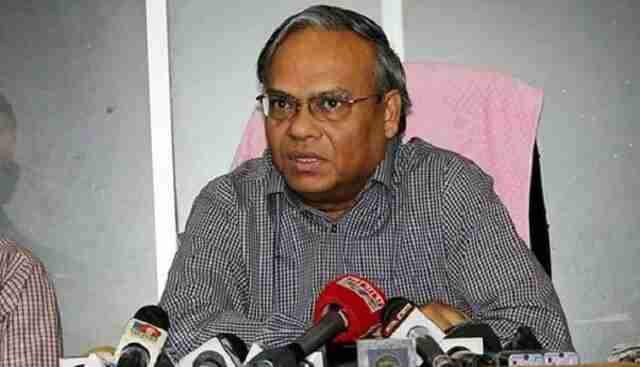
“According to our data, no factory has closed, so far, because of the recent energy crisis,” he said while answering questions from journalists at a press conference at the BGMEA Complex here today.
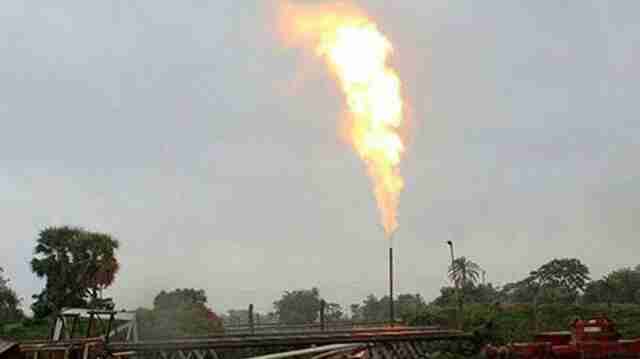
He, however, said the gas supply situation had “definitely improved compared to seven days ago”, as both Floating Storage and Regasification Units (FSRUs) were now operating at full capacity and the disruption in LNG supply had eased.
“The gas supply situation today has definitely improved compared to seven days ago,” he said, adding that the situation would improve further if the two regasification plants continued to operate normally.
The garment sector had not yet seen factory closures directly attributable to the recent gas crisis, as factory closure requires advance preparations to complete pending orders, settle workers’ legal compensation and address other liabilities, the BGMEA President said.
He said the actual impact of the recent energy crisis could become clearer after another three months, depending on whether the situation persists.
The BGMEA president called for increased use of fuel-based power plants to reduce pressure on gas-fired power generation and make more gas available to industries.
He also urged the authorities to facilitate merchant power purchase agreements, saying BGMEA had discussed the matter in several meetings with relevant authorities.
Mahmud said the garment sector was also pursuing rooftop solar power as an alternative source of electricity.
The BGMEA had collected data from around 14 factories that could potentially generate about 168 MW of solar power, he continued.
He said the sector needed access to low-cost financing because solar projects generally require a longer period to generate a return on investment.
“The biggest issue with solar is that its return on investment takes a relatively long time, so the interest rate also needs to be lower,” he said.
Mahmud Hasan Khan added that BGMEA had discussed the issue with the Bangladesh Bank governor and sought green-finance support for its members.
On the use of artificial intelligence (AI) in the RMG sector, he said the industry was already using AI and automation in several areas and that AI should not be viewed only as a technology for replacing workers.
“AI is already being used in our industry for preparing shipping documents, marketing, merchandising, design development and improving efficiency,” he added.
According to him, BGMEA membership had once exceeded 7,000, while the current number stands at around 3,000, reflecting changes in the industry over the past four decades.
On allegations of harassment and additional costs at customs, he said the situation had not yet improved to the desired level, although a reform and digitisation process was underway.
He cited the digital submission of utilisation-permission applications by deemed exporters as an example of the ongoing changes.
Asked why international buyers would come to Bangladesh despite the challenges facing the RMG industry, he said the country’s biggest strength was its production capacity.
“Bangladesh’s biggest strength is our production capacity, which we have demonstrated over the past 40 years,” he said, adding that BGMEA wanted to attract new buyers while maintaining relationships with existing buyers because international brands normally diversify their sourcing and do not purchase their entire requirements from one country.
He said some buyers that had already reached their sourcing limits in Bangladesh could not increase purchases beyond those limits because of their own international sourcing strategies.
BGMEA, he said, would showcase the experience of existing buyers to prospective new buyers.
Regarding Bangladesh’s export performance in the European Union market compared with China and Cambodia, he said the industry needed to consider overall export performance rather than focus on a single market.
He said Bangladesh’s objective should remain increasing total exports, value addition and market diversification.
On the provision for revising minimum wages every three years, he said the issue followed amendments to the labour law after tripartite discussions involving workers, employers and the government.
Regarding the upcoming extraordinary general meeting (EGM) and a proposed decision on members’ voting rights, he declined to comment before the meeting.
“This is entirely our own matter. I don’t think it is appropriate to speak about it before the EGM,” he added.
The BGMEA president said the association had received greater access to the present government compared with the previous interim administration.
He said BGMEA representatives had met the Prime Minister four times, including three formal and one informal meeting.
“We are getting time from the present government,” he said, adding that meetings with other members of the Cabinet, particularly the Commerce Minister, could also be arranged quickly when the minister remained in the country.