বৃহস্পতিবার, ১২ নভেম্বর ২০২৬, ০৭:১৫ অপরাহ্ন



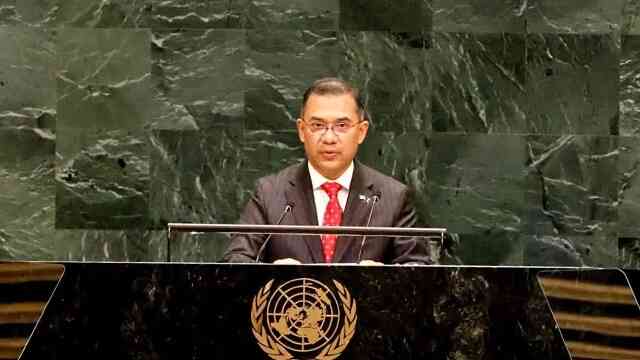
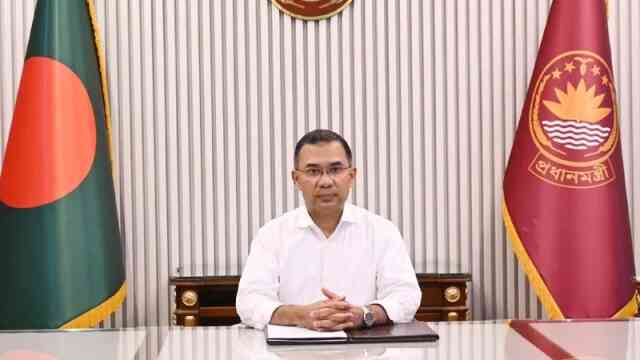
ANTALYA, Turkiye, Nov 12, 2026 (BSS) – Prime Minister Tarique Rahman today urged the global community to take five urgent actions on adaptation finance, debt relief, technology transfer, clean energy and a just transition, saying climate-vulnerable countries need grants, not more loans.
“Guided by the principle of common but Differentiated Responsibilities and Respective Capabilities, Bangladesh calls for five urgent actions,” he said while addressing the High-Level Segment of the UN Climate Change Conference (COP31) here.
The five actions include allocating at least 50 percent of international climate finance to adaptation, introducing debt-relief measures for vulnerable countries, ensuring fair access to climate-friendly technologies, speeding up the shift to renewable energy, and adopting the Belem-Antalya Action Mechanism for a just transition at COP31.
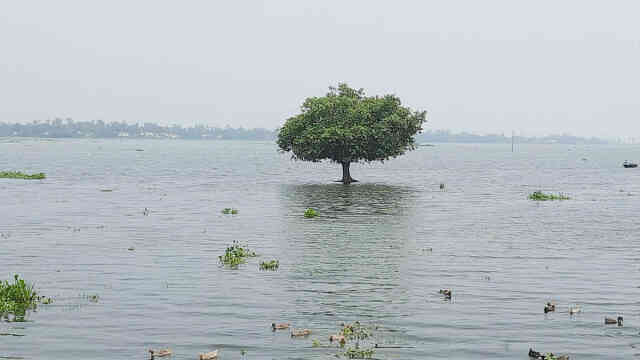
The Prime Minister said Bangladesh is on the frontline of climate change, although its contribution to global greenhouse gas emissions is less than 0.5 percent.
Despite these challenges, he said, Bangladesh remains committed to building a trillion-dollar climate-resilient and sustainable economy.
“Guided by our philosophy of “Bangladesh Before All”, we believe economic growth and environmental protection must go hand in hand. Our industrialisation and development must protect nature and maintain ecological balance,” he said .
Highlighting Bangladesh’s initiatives towards a green transition, Tarique Rahman said his government has set a target of meeting 20 percent of the country’s electricity needs from renewable sources by 2030, in line with its efforts to achieve net-zero emissions under the Paris Agreement.
He said Bangladesh is working to develop 4,000 megawatts of solar power capacity through special tax incentives and is also promoting waste-to-energy initiatives.
The Prime Minister said the country is promoting green industries, with nearly 300 LEED-certified ready-made garment factories, alongside environment-friendly transport, including electric vehicles, eco-friendly products such as jute bags, and a national framework for carbon trading that is being developed.
Bangladesh plans to plant 250 million trees over the next five years, he said.
The government is also excavating 20,000 kilometres of rivers and canals, alongside the Padma Barrage and Teesta Barrage Master Plan, to conserve water, reduce flood risks, revive wetlands and recharge groundwater, he added.
He said mangrove forests are also being restored on reclaimed coastal land to protect local communities and strengthen climate resilience.
Referring to the challenges facing developing countries, the Prime Minister said the global climate finance system remains inadequate and fails to properly address their needs and priorities.
Climate-related losses and damages are placing a heavy burden on their economies, while rising debt-servicing obligations and limited financial resources are further aggravating the situation, he said.
“Climate-vulnerable countries need grants, not more loans that increase their debt,” he said, stressing the need for reliable financial support, access to modern technology and stronger assistance for adaptation.
Elaborating on his proposals, Tarique Rahman said the adaptation allocation should be based on individual countries’ priorities, while support for efforts to reduce emissions should continue.
He said debt relief should include Debt-for-Climate Swaps and Climate-Resilient Debt Clauses, and that climate-friendly technologies should be transferred to developing countries.
The shift to renewable energy, he said, should be speeded up through affordable finance, skills development and a fair energy transition, while the Belem-Antalya Action Mechanism should place fair finance and fair trade at its heart.
Tarique Rahman also underscored the importance of ensuring the participation of women and young people in climate action, creating decent green jobs and reducing global emissions to keep the 1.5-degree Celsius temperature goal within reach.
Expressing hope for a successful COP31, he said Bangladesh expects the conference to deliver meaningful, balanced and ambitious outcomes, particularly for countries most vulnerable to climate change.
“Let us turn our commitments into action. Let us strengthen global solidarity and build a sustainable future together,” he said.
At the outset of his address, the Prime Minister thanked the Turkish government for hosting COP31 and Australia for leading the negotiations.